
Children and adolescents also have unimpaired lung function COVID-19 infection does not appear to affect the lung function of young adults, according to new research presented at the ‘virtual’ European Respiratory Society International Congress. [1] In the first study to investigate the impact of COVID-19 infection on lung function, researchers led by Dr Ida Mogensen, […]
Rescue and recovery workers and volunteers who arrived early at the World Trade Center site face higher risk of developing COPD
Twenty years on from the September 11 attacks, rescue and recovery workers and volunteers who attended the World Trade Center site are beginning to develop chronic obstructive pulmonary disease (COPD) often following a previous diagnosis of asthma, according to research presented at the European Respiratory Society International Congress. [1] The study of almost 18,000 workers […]
E-cigarettes containing nicotine cause blood clotting and make small blood vessels less adaptable
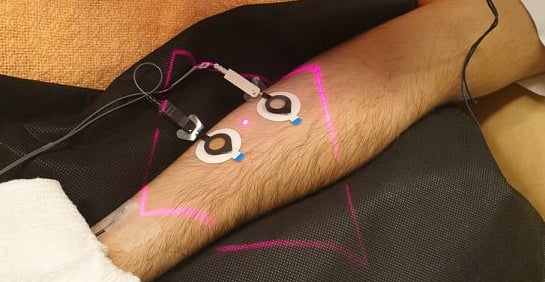
Using e-cigarettes containing nicotine causes an immediate increase in the formation of blood clots and a deterioration in the ability of small blood vessels to expand and dilate, as well as raised heart rate and blood pressure, according to research presented at the European Respiratory Society International Congress. [1] Researchers say these effects are similar […]
Asthma can be caused by office work but finding and tackling the cause can keep employees in work
New research presented at the European Respiratory Society International Congress [1] suggests that the seemingly innocuous environment of an office can cause asthma in some workers. The study found a variety of triggers from printer toner and cleaning products to poor ventilation and mould circulating in air conditioning. It also found that employees with asthma […]
Physical activity during pregnancy is linked to lung function in offspring
Researchers have found further evidence that exercise during pregnancy is good not only for mothers but also for their offspring. In research presented at the ‘virtual’ European Respiratory Society International Congress [1], Dr Hrefna Katrin Gudmundsdottir said that a study of 814 babies had, for the first time, shown a link between lower lung function […]
Modest differences in lung function could help spot people at risk of sudden cardiac death
People who have modestly but measurably worse lung function are more likely to suffer sudden cardiac death (SCD), according to research presented at the European Respiratory Society International Congress. [1] SCD is an unexpected death that results from a sudden malfunction in the heart and in many people who suffer SCD, there are no previous […]
Hotter weather is linked to increases in COPD exacerbations
Warmer weather is linked to a worsening of chronic obstructive pulmonary disease (COPD) symptoms, according to research to be presented at the ‘virtual’ European Respiratory Society International Congress [1]. Analysis of data from 1,177 current and former smokers with COPD in the USA showed that approximately two days after an increase in ambient temperatures, there […]
Researchers develop all-in-one test for the avoidance of de novo genetic disease in embryos
De novo variants (DNVs), genetic mutations that were not previously identifiable in the family history of one of two prospective parents, may cause disease in any children they have. Where a disease-causing DNV is present in one parent, the risk of passing it to a child can be as high as 50% and being able […]
Identification of the genetic causes of childhood epilepsy shows the way to improved treatment and care
Epilepsy is one of the most common chronic neurological diseases, affecting more than 50 million people worldwide. Although it is believed that a large proportion of childhood-onset epilepsies are caused by genetic changes, it remains unknown precisely how many of these patients suffer from a genetic disorder and how often the treatment can be targeted […]
Genetic data privacy, the GDPR, and research needs: a delicate balance
The EU’s General Data Protection Regulation (GDPR) has created a great deal of uncertainty about how key requirements should be interpreted. This means that collaborators in international genetic research projects do not always agree on fundamental issues such as whether they are processing personal data, consent requirements under the GDPR and on what basis genetic […]